The Interoperability War — Cosmos Vs Polkadot, what's the difference?

I like to think of blockchains as operating systems(OS). Like iOS, Android, Windows OS, LINUX, or any other OS. Blockchains are layers that allow developers to build assets and decentralized applications(DApps), similar to how operating systems in Web 2.0 enable developers to create assets and applications. In Web 2.0, it was relatively easy to maintain applications across different operating systems because the information, security, architecture, and other infrastructure is easier to synchronize. For example, your Twitter account will have the same direct messages, tweet streams, followers, and other details regardless of the operating system you download and operate from.
However, unlike operating systems, it is difficult to ensure that DApps maintain a single or shared state across their existing blockchains. As a result, instantly retrieving information and assets in real-time across several blockchains is also considerably difficult.
For example, using UNISWAP on ethereum, polygon, or any other supported layer two's (L2) wallet balances will only be displayed based on the asset held separately on each blockchain or L2. Thus, at the core, Polkadot and Cosmos are similar because they set out to solve the same problem — blockchain interoperability. Blockchain interoperability is essential for DApps to maintain a similar state regardless of the blockchain they are built on. Thus, both Polkadot and Cosmos are pivotal technologies.
So what are Polkadot and Cosmos?
Polkadot
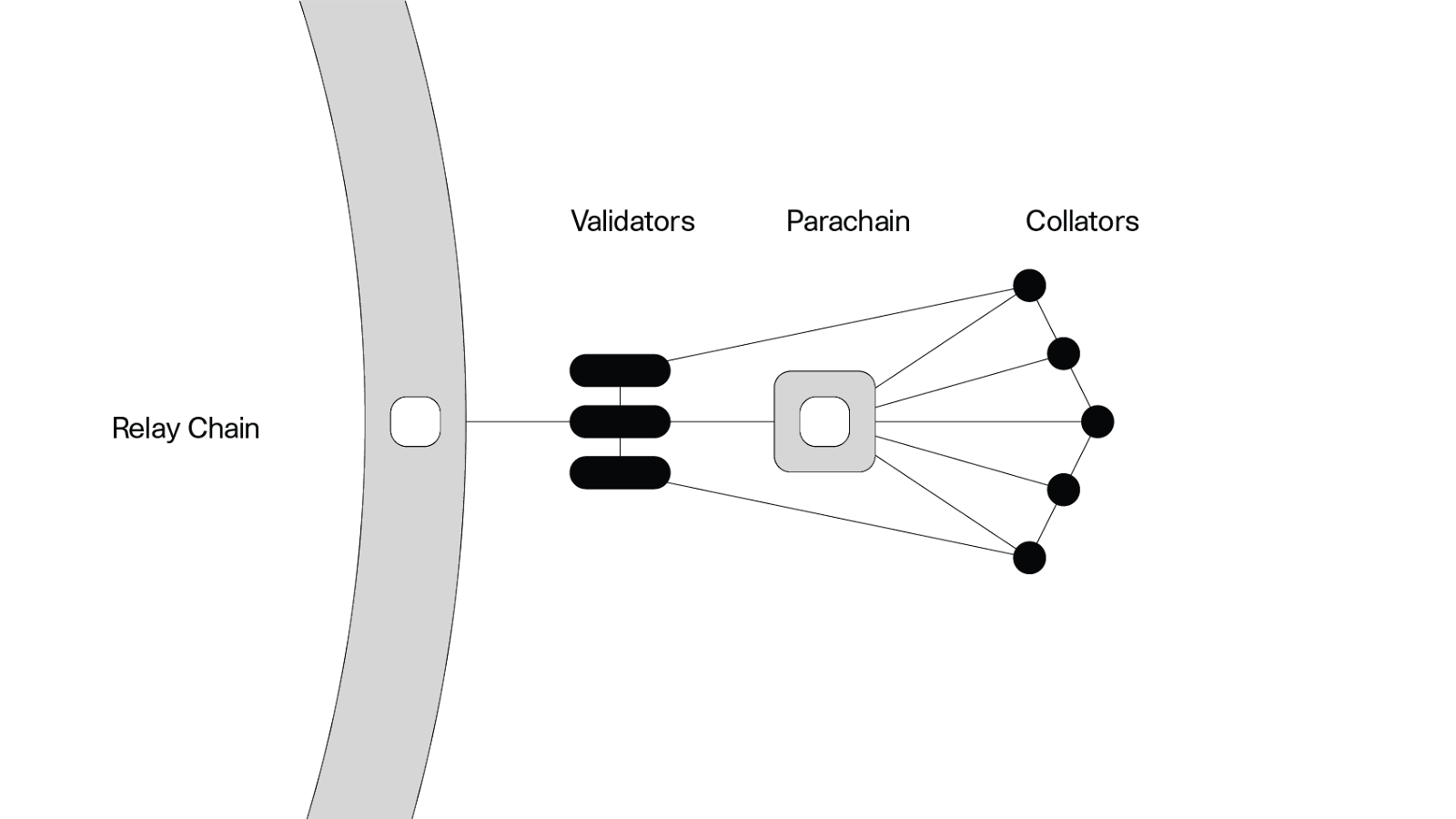
Polkadot dubs itself the “Meta-Internet” aimed at allowing different blockchains the ability to connect and communicate between parallel blockchains called parachains. Polkadot has two main parts:
A relay chain, which is the core of the Polkadot infrastructure,
The parachain connected to the relay chain. The parachains run independently but enjoy the shared security offered by the relay chain. These parachains are offered to developers during events called parachain auctions. While the security of the parachains is derived from the dependence on the relay chain, the parachains communicate with the relay chain via XCMP (Cross-Chain Message Passing).
Cosmos
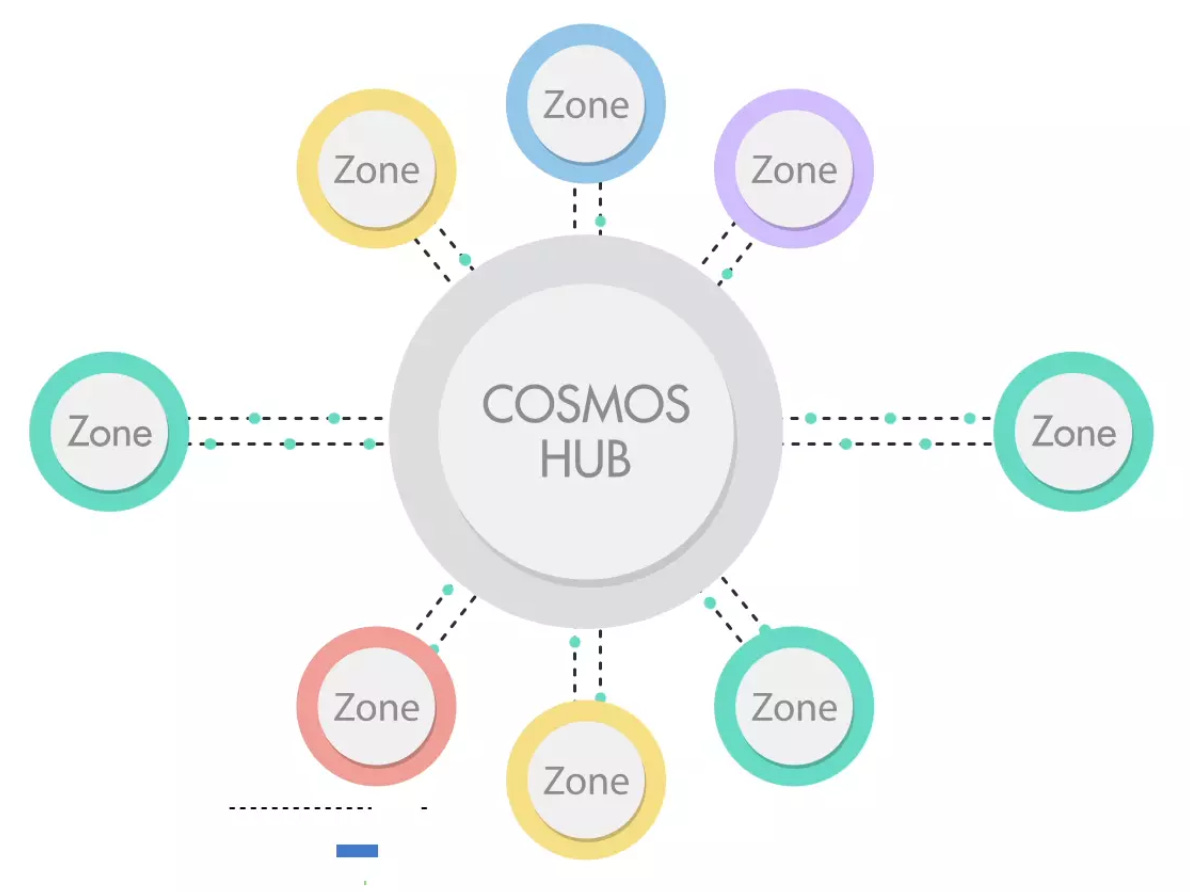
On the other hand, Cosmos is a network of independent blockchains connected by consensus algorithms called Tendermint, and these blockchains communicate via the novel Inter‐Blockchain Communication protocol (IBC). Like Polkadot, Cosmos has two main parts:
The Hub - This is the central chain.
The Zones - This is a blockchain affiliated with the Hub.
The Zones communicate with each other via the cosmos hub.
How are Polkadot and Cosmos Similar?
Thus the similarities between Polkadot and Cosmos include:
They share a two-part execution model.
Polkadot and Cosmos use a similar consensus algorithm called Tendermint to ensure Byzantine Fault Tolerance(BFT), although Polkadot uses a hybrid consensus algorithm comprising Tendermint and Aurand.
Cosmos and Polkadot utilize their native tokens for governance and staking.
Polkadot and Cosmos allow for 1,000’s Transaction per Second(TPS) speeds.
Polkadot and Cosmos are Ethereum Virtual Machine(EVM) compatible, allowing for integration across other EVM compatible blockchains like ethereum, polygon, avalanche, etc.
So how do they differ?
Let us examine some differences between the Polkadot and Cosmos:
Polkadot parachains rely on the relay chain for security, thus creating a shared security model. In Cosmos, on the other hand, each blockchain is responsible for its security and only communicates with others via the IBC.
Polkadot has one block order since transactions cannot be authorized without finalization from the relay chain. On the other hand, Cosmos transactions can be finalized on each hub, and data submission only happens during IBC packet exchange.
Changes to the state of Polkadot are done by collators who must stake DOT tokens to produce a valid change to the blockchain. On Cosmos, on the other hand, anyone can make changes to the blockchain by using a trusted party or a bonded BFT validator set.
On Polkadot, any user can transfer data between existing parachains by requesting a data transfer by a collator who will produce a block and then receive finality from the relay chain. On Cosmos, however, any user can submit an IBC packet for communication exchange after a zone finalizes a transaction.
Invalid transactions on Polkadot are prevented by collators and fishermen who ensure that the parachains stay true to the state of the blockchain network. Cosmos, however, is designed to occasionally tolerate invalid transactions without affecting the stability of the network of blockchains.
There will be a ceiling to the number of parachains that can be created; this currently stands at approximately 1000 parachains. On the other hand, Cosmos allows an infinite number of blockchains in the ecosystem.
Relay node validators are responsible for proof of data availability for all existing parachains on Polkadot. On the other hand, Cosmos relies on tendermint consensus for proof of data availability.
Polkadot development activity is carried out in WebAssembly and rust, while Cosmos developer activity is primarily Golang.
Final Thoughts
Interoperability is very key to maximizing the benefits and uniqueness of all blockchains. Thus, I believe that Polkadot and Cosmos will play a huge role in the future. It may not be a winner takes all situation, but we can already see progress and adoption of these interoperability protocols by protocols. For example, DyDx a leading decentralized exchange just announced plans to deploy its own blockchain on Cosmos network and there are more than 130 million DOT tokens locked in parachains indicative of extremely high economic activities on Polkadot.
The interoperability war is heating up and will unlock a wave of mass cooperation and allow several blockchains to synergize for the greater good.
Don’t forget to hit me up on Twitter or drop a comment if you have any thoughts on this.
Thanks.